Home cooks who value Japanese knife performance seek cutting boards that protect edges, resist warping, and fit compact kitchen spaces. Hinoki wood is renowned in Japanese culinary tools for its light weight, delicate aroma, and a surface that’s gentle on blades. This guide highlights premium Hinoki boards and related woods that pair well with Japanese knives, plus a concise comparison to help you choose. Use the quick table below to compare five top options—from Shun’s compact Hinoki board to large Yoshihiro models for sashimi prep and everyday chores.
| Product | Brand | Size | Material | Why It Fits |
|---|---|---|---|---|
| Shun Small Hinoki Cutting Board | Shun | 10.75″ × 8.25″ | Hinoki | Medium-soft surface preserves knife edges; FSC certified; double-sided for versatility |
| Yoshihiro Hinoki Cypress Cutting Board | Yoshihiro | XX-Large | Hinoki Cypress | Knife-friendly surface; maple anti-twist core resists warping |
| BOUMBI Hinoki Reversible Cutting Board | BOUMBI | 17.3″ × 9.8″ × 1.05″ | Hinoki | Reversible surfaces; joined pieces for durability; natural aroma |
| Yoshihiro Hi Soft Cutting Board | Hayate Yoshihiro | Large (19.6″ × 10.6″ × 0.8″) | Unknown (wood board) | Hi Soft surface optimized for high-carbon steel knives |
| YAMASAN Kyoto Uji Hinoki Board | YAMASAN KYOTO UJI | Small (14.17″ × 8.66″ × 0.59″) | Hinoki | Compact Hinoki board with natural fragrance for delicate prep |
The following five products represent well-rounded choices for anyone who wants to protect blade edges while enjoying the traditional benefits of Hinoki and related woods. Each option is suited to different kitchen layouts, knife collections, and prep styles—ranging from compact boards that fit tight spaces to large surfaces designed for sashimi and multi-item prep. Across these boards, the emphasis remains on blade-friendly surfaces, natural durability, and practical maintenance.
Shun Small Hinoki Cutting Board
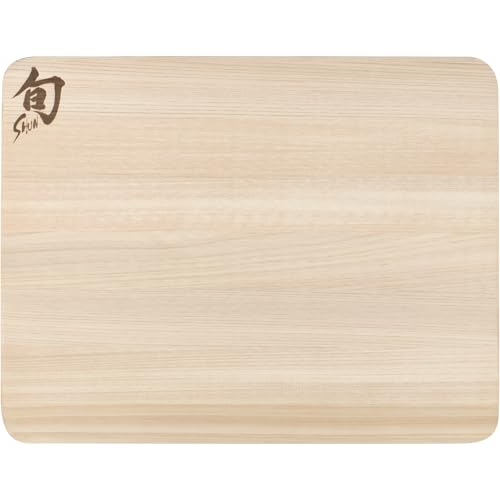
The Shun Cutlery Small Hinoki Cutting Board provides a compact, knife-friendly surface crafted from hinoki. The medium-soft wood yields a gentle give as you cut, helping preserve edge sharpness on most kitchen blades, including delicate Japanese knives. Its sustainable Forest Stewardship Council certification reflects responsible sourcing. The board is designed for versatility with its double-sided functionality, making it suitable for general prep tasks while remaining easy to store in small kitchens.
In daily use, the hinoki surface minimizes blade wear during routine slicing, dicing, and delicate tasks like fish prep. The small size is ideal for apartment kitchens, accommodating prep work without dominating counter space. When not in use, simply hand wash and dry to maintain the board’s natural oils and aroma. The Shun board provides a practical balance of blade protection and convenience for knife enthusiasts who prioritize edge retention.
Yoshihiro Hinoki Cypress Cutting Board
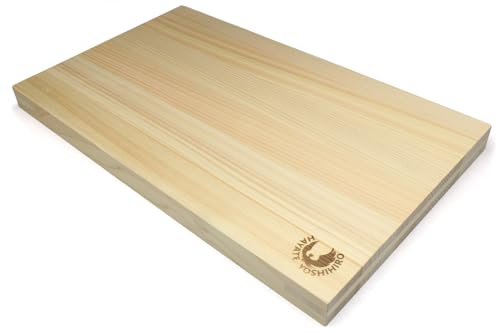
Authentic Japanese cutting board crafted from Hinoki Cypress, offering a knife-friendly surface that helps preserve blade sharpness. The board’s maple anti-twist core provides additional stability, helping to prevent warping during heavy use. This combination of Hinoki’s gentle surface and the anti-twist core makes it a durable choice for daily sushi prep and other precise cutting tasks. The XX-Large size accommodates larger knives and bigger ingredients, making it a versatile centerpiece for serious home cooks and professional-grade setups.
Besides performance, Hinoki’s natural fragrance adds a subtle, pleasant aroma to kitchen tasks. Regular hand washing and drying are recommended to maintain the board’s surface and aroma, and periodic oiling with a food-grade oil can help preserve longevity. For cooks who want a premium, blade-friendly board that supports Japanese knife care, this Yoshihiro option stands out for balance and durability.
BOUMBI Hinoki Reversible Cutting Board

The BOUMBI reversible cutting board uses Hinoki wood finished for daily kitchen tasks with a practical, two-sided design. Reversible boards offer flexibility when preparing proteins and vegetables, reducing cross-contamination between tasks. The wood is dried in a vacuum chamber at low temperature to minimize splitting and preserve inherent properties like aroma and strength. Construction relies on joined pieces to resist deformation, making this board a durable option for busy kitchens and professional settings.
Natural hinoki fragrance enhances the kitchen environment, while the reversible layout supports various prep workflows. The large size provides ample workspace for meat, fish, or vegetable prep without crowding counters. The board’s durable construction and care-friendly profile suit cooks who value long-term performance and easy maintenance on a classic Japanese wood board.
Yoshihiro Hi Soft Cutting Board

The Hi Soft cutting board is marketed as the best cutting surface for high-carbon steel knives. Its design prioritizes a forgiving surface that reduces edge dulling during intense prep, with a generous work area suitable for sashimi and multi-item prep. The board is positioned as a professional-grade tool for serious cooks who rely on precision and blade longevity. While the exact material isn’t specified in the listing, the surface emphasis remains on maintaining knife edge integrity during heavy use.
For chefs working with sharp Japanese blades, the Hi Soft board offers a stable platform with a large footprint. Regular cleaning and application of a food-safe mineral oil can help keep the surface smooth and water-resistant. This option is favored by enthusiasts who require a high-performance surface that supports precise cutting techniques and consistent edge retention over time.
YAMASAN Kyoto Uji Hinoki Board

This compact Hinoki board from YAMASAN Kyoto UJI emphasizes natural cypress wood with a light, aromatic surface. The small size makes it a practical choice for precise sushi prep, delicate knife work, and everyday kitchen tasks where space is limited. Hinoki’s gentle surface helps preserve blade edges, while the board’s natural resilience supports long-term use in a busy kitchen. For cooks who prioritize a traditional Japanese wood aesthetic in a smaller footprint, this board blends form and function nicely.
Maintenance is straightforward: hand wash, dry promptly, and apply a light coating of food-grade mineral oil when needed. The small form factor complements compact kitchens and travel-friendly setups, offering a blade-conscious surface that suits hobbyist and professional Japanese knife routines alike.
Buying Guide
Choosing the right wood cutting board for Japanese knives involves balancing edge protection, maintenance, and kitchen space. Hinoki boards are prized for their gentle cut, light weight, and pleasing aroma, but other woods like acacia offer different durability and maintenance profiles. A smart choice aligns with your knife collection, prep style, and storage needs.
Key Factors To Consider
Edge protection matters most with high-quality Japanese knives. Look for a board described as knife-friendly or soft enough to minimize dulling. Size should match your typical prep tasks; larger boards are better for sashimi and multi-item prep, while small boards excel in compact kitchens. Reversible or double-sided designs add versatility and help separate meat, fish, and produce tasks to reduce cross-contamination.
Materials And Construction
Hinoki is favored for its light weight, aroma, and gentle surface, which helps preserve blade edges. Other woods, like acacia, can be harder and more durable but may show knife marks more readily. Consider whether the board is a single solid piece or joined sections; joined boards can be more resistant to warping if well built and properly maintained. Certifications such as FSC indicate sustainable sourcing practices, which may influence your choice.
Maintenance And Longevity
Most wooden boards benefit from hand washing, thorough drying, and periodic oiling with a food-grade mineral oil or board conditioner. Avoid dishwasher exposure and prolonged soaking, which can cause warping or splitting. A light monthly to quarterly oiling helps maintain moisture balance, reduce cracking, and preserve wood’s natural aroma. Regular maintenance extends the life of Hinoki and other wooden boards used with Japanese knives.
Size, Shape, And Use Case
For sushi and delicate knife work, a smaller Hinoki board keeps edges safe while allowing precise cuts. Larger boards support heavy-duty prep, meat, and fish tasks, providing ample space for multiple knives and ingredients. Reversible boards offer two surfaces for different tasks or levels of sanitation. If space is limited, prioritize a compact Hinoki option that still delivers a knife-friendly surface and easy storage.
Comparative Snapshot
| Board | Best Use | Size Range | Notable Feature |
|---|---|---|---|
| Shun Small Hinoki | Daily prep, sushi prep | Small | Medium-soft Hinoki surface; FSC |
| Yoshihiro Hinoki Cypress XX-Large | Large prep, sashimi | XX-Large | Anti-twist core; knife-friendly |
| BOUMBI Hinoki Reversible | Multi-task prep | Large | Two surfaces; joined construction |
| Yoshihiro Hi Soft Large | High-carbon knife care | Large | Soft surface for edge longevity |
| YAMASAN Kyoto Uji Hinoki Small | Precise sushi prep | Small | Compact Hinoki with aroma |
When evaluating boards, consider how each option aligns with your knife collection, prep routine, and kitchen layout. Hinoki boards offer a distinctive blend of edge protection, fragrance, and light weight that many Japanese knife users value. If you handle delicate knives or perform frequent sushi prep, a Hinoki or similarly soft surface can make a meaningful difference in blade longevity and overall cooking efficiency. Combine your knowledge of board construction with a practical sense of space to choose the best board for your needs.