Choosing the right tawa can elevate roti and paratha results, especially with today’s variety of surfaces and heat profiles. This guide highlights five tawas spanning iron, hard anodised aluminium, ceramic nonstick, cast iron, and brass to cover common kitchen needs. Each option emphasizes durability, heat distribution, and practical handling for daily cooking. Use the buying guide to compare heat transfer, maintenance, and longevity to select the best tawa for your family’s roti and paratha.
| Product | Brand | Material | Size | Key Benefit |
|---|---|---|---|---|
| amicus Iron Tawa (10″) | amicus | Iron | 10 inch | Durable, multipurpose surface with traditional feel |
| Hawkins Futura Roti Tava | HAWKINS | Hard Anodised Aluminium | 24 cm | Fast heating, even heat, induction compatible |
| Redchef Nonstick Crepe Pan 10″ | Redchef | Ceramic Nonstick | 10 inch | PFAS/PFOA/PTFE free, versatile for dosas and crepes |
| Brightalk 11-Inch Cast Iron Tawa | Brightalk | Cast Iron | 11 inch | Excellent heat retention, great for outdoor use |
| P-TAL Brass Roti Tawa 10″ | P-TAL | Brass | 10 inch | Even heat distribution with nutrient retention |
amicus Iron Tawa For Roti

The amicus Kitchen Premium Iron Tawa combines a traditional concave surface with everyday practicality. Built from hot rolled iron, it adds iron content to foods while offering a durable 10-inch cooking surface. The tawa weighs about 1.2 kg and features a 2.5 mm thickness with a wooden handle secured by three rivets for lasting strength. It works on gas stoves and electric coils, making it suitable for most kitchens. This design supports rotis, phulkas, parathas, bhakari, and even quick frying or sautéing, making it a versatile staple for daily use.
Regular seasoning and proper drying after washing help prevent rust and maintain a natural patina that enhances nonstick properties over time. With care, the iron tawa can deliver durable performance for years, blending heritage craftsmanship with modern convenience for cooking mediant breads and other flatbreads.
Hawkins Futura Hard Anodised Roti Tava

The Hawkins Futura tawa showcases hard anodised aluminium for a tough, non-toxic cooking surface that resists staining and corrosion. The 24 cm diameter is a practical mid-sized option for family meals, offering quick, even heating and durability. The non-toxic and non-reactive coating performs well under high heat and is designed to resist wear over time. This tawa is compatible with induction cooktops as well as traditional gas stoves, making it flexible for modern kitchens that use multiple heat sources.
Hard anodised surfaces are relatively low-maintenance, requiring basic cleaning and occasional seasoning. The construction is designed for long-term use, with a focus on even heat distribution and reliable performance for roti, paratha, dosas, and pan-fried dishes. Regular hand washing and dry storage help extend the lifespan of the surface and its coating.
Redchef Nonstick Crepe Pan Tawa 10″

Redchef’s 10-inch crepe pan is built around a ceramic nonstick coating that is PFAS, PTFE, and PFOA free, prioritizing safer cooking for families. The surface is designed for versatile use, handling dosas, crepes, roti, and tortillas with ease. At a light 1.58 pounds, this pan offers effortless flipping and handling, making it ideal for quick breakfasts and delicate breads. The induction-compatible base adds versatility for modern kitchens that include an induction hob alongside gas cooking.
Despite the nonstick surface, routine care is still advised to extend coating life, including gentle cleaning and avoiding abrasive utensils. The pan is best suited for lighter meals and tasks where easy release and simple cleanup are priorities, especially for dosas and crepes that require precise flipping.
Brightalk 11-Inch Cast Iron Roti Tawa
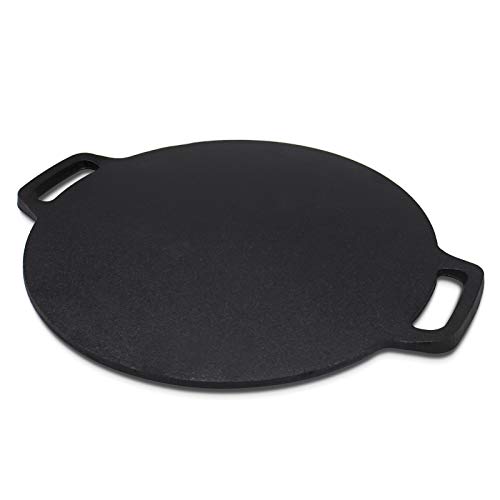
This 11-inch cast iron tawa from Brightalk emphasizes robust heat retention and even distribution, ideal for roti, chapati, dosa, and tortillas. The double-handled design makes flipping and moving the pan safer, particularly during high-heat cooking or outdoor use. Cast iron heats slowly but maintains steady temperatures, yielding consistent results on a variety of heat sources, including gas, induction-capable stoves, and campfires. With proper seasoning, this tawa becomes a dependable workhorse for frequent bread-making rounds.
Cast iron requires regular maintenance to prevent rust and maintain seasoning. After use, dry promptly and apply a light oil to protect the surface. The longevity and heat retention make this option a long-term investment for cooks who value traditional cookware performance in both indoor and outdoor settings.
P-TAL Brass Roti Tawa 10″

The P-TAL Brass Roti Tawa is handcrafted from 100% brass with a hammered golden finish, combining durability with a touch of tradition. Brass provides excellent heat conductivity and even heat distribution, helping to minimize hot spots and saving gas during cooking. The 10-inch diameter suits standard roti and paratha sizes, while the insulated heat-resistant handle keeps hands safe during handling. Nutrient retention is highlighted as a benefit of brass cooking, making this option appealing to cooks prioritizing traditional methods and minimal surface treatment.
Brass cookware does require proper care to maintain its luster and prevent tarnish. Clean with appropriate cleaners and light oiling, and plan for periodic polishing to preserve its appearance. This tawa suits kitchens that favor classic aesthetics and a robust, long-lasting cooking surface for everyday breads and flatbreads.
Buying Guide
Material And Heat Distribution
Material choice directly affects heat transfer and maintenance. Cast iron offers outstanding heat retention, ideal for even, steady cooking but requires seasoning and more care. Hard anodised aluminium provides durability and quick heating with easy cleaning, while brass delivers even heat and nutrient-retention benefits but needs more upkeep. Iron tawas add iron content to food and a traditional cooking experience. Ceramic nonstick offers easy release and low-fat cooking but needs gentle handling to protect the coating.
Size, Thickness, And Maintenance
Average home use benefits from a 9–11 inch tawa with a 2–5 mm thickness range. Thicker designs retain heat longer, supporting consistent roti and paratha formation, while thinner bases heat rapidly but may wear faster. Cast iron and brass require seasoning and periodic oiling; nonstick surfaces demand careful cleaning to preserve coating integrity. For induction cooking, verify compatibility—some hard anodised and cast iron tawas are compatible, while brass-based designs may require a suitable base.
Induction Compatibility
Induction readiness is a key consideration for modern kitchens. Cast iron tawas generally work well with induction. Some hard anodised options offer induction-compatible bases, while pure brass cookware may not perform on all induction stoves. Check the product specifications and, if needed, look for a model explicitly labeled as induction-ready to avoid compatibility issues.
Durability, Safety, And Health
Durability hinges on construction and material. Nonstick coatings remove some health concerns when properly maintained, but require gentle care to extend life. Cast iron and brass are highly durable but need seasoning and polishing respectively. PFAS/PFOA-free coatings are preferable for nonstick options. Consider how the tawa’s weight affects handling and safety, especially for daily use by all family members.
Cooking Versatility And Care
Match the tawa to your typical breads and meals. Roti, paratha, dosa, dosas, crepes, and tortillas represent common uses. If you often cook on induction, prioritize models with induction-ready bases or cast iron that performs well on such stoves. Remember that maintenance routines—seasoning for iron and brass, or careful cleaning for nonstick—will influence long-term performance and ease of use.