Choosing the best oil for skillet cooking goes beyond a simple flavor preference. The right cast iron seasoning oil supports polymerization, builds a durable nonstick layer, and protects against rust. That means you can sear, fry, and bake with less sticking and easier cleanup. The oils below are common, kitchen-tested options that emphasize plant-based ingredients, food-grade materials, and high heat performance. Each product blends base oils with waxes or special processing to encourage a resilient seasoning. This guide highlights five standout oils, summarizes their key ingredients, and compares how they perform in everyday kitchen use.
| Product | Brand | Key Ingredient | Notable Benefit |
|---|---|---|---|
| Field Company Cast Iron Seasoning Oil | Field Company | Grapeseed & Sunflower Oils + Beeswax | Natural nonstick seasoning with durable polymerization |
| Verdana Cast Iron Seasoning Oil | Verdana | Coconut-Derived Oils | Free from mineral oil; food-grade and kosher |
| Walrus Oil Cast Iron Oil | Walrus Oil | Plant-based Oils | Very high smoke point; robust rust protection |
| Clark’s Seasoning Oil for Cast Iron Skillets | CLARK’S | Coconut Oil | Alternative to mineral oil; smooth finish for seasoning |
| Heritage Products Cast Iron Seasoning Oil | Old Timer Heritage Products | Avocado Oil | Low-smoke, high-temp conditioning |
Field Company Cast Iron Seasoning Oil
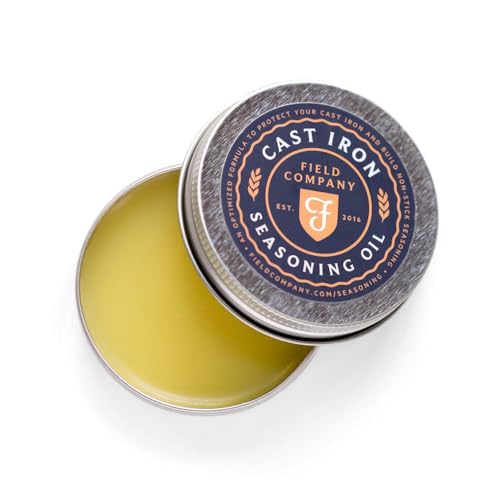
The Field Company Seasoning Oil combines organic grapeseed and organic sunflower oils with beeswax to create a resilient, durable seasoning layer. The formulation emphasizes polyunsaturated fats that polymerize well during preheat and cooking, helping the last layer of seasoning bond to the surface. This oil is designed for regular use to maintain a dry, matte finish on seasoned cast iron.
Usage emphasizes a simple routine: after cleaning with soap and a brush, apply a thin layer of Seasoning Oil and spread evenly with a cloth or paper towel. Wipe away excess oil to prevent a sticky surface, then heat as you cook. The result is a natural nonstick feel that improves with continued use. Shelf life is best within one year, or refrigerate to extend freshness.
Prospective buyers should note its plant-based blend and beeswax for a durable coating. The oil’s organic components aim to minimize off-flavor transfer while supporting easy maintenance of seasoned cookware. This makes Field Company a solid option for everyday skillet work and maintenance routines.
CARON & DOUCET – Cast Iron Cleaning & Conditioning Set
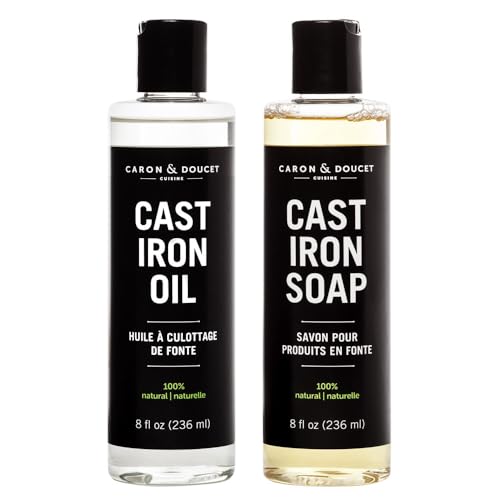
CARON & DOUCET’s Cast Iron Cleaning & Conditioning Set combines a seasoning oil with a plant-based cast iron soap. The formula uses food-grade coconut oil and a gentle cleaning soap designed to preserve the natural seasoning while avoiding sulfates or petrochemicals. This set is created to clean, restore, and season cast iron cookware without introducing harsh residues.
The product emphasizes restoring the patina through a pure plant-based approach. It’s designed to be gentle on existing seasoning while helping to re-season after cleaning. Users seeking a complete cleaning and seasoning routine may find this 100% plant-based option appealing for maintaining long-term cast iron care.
Note that the included scrub and cleaning oils are formulated to help remove stubborn spots and odors, supporting a refreshed surface ready for a recoat of seasoning. The plant-based ingredients aim to keep odors in check while maintaining a natural finish.
Verdana Cast Iron Seasoning Oil

Verdana’s 8 Fl Oz oil is coconut-derived and marketed as 100% organic, kosher, and non-GMO with no mineral oil. This formula concentrates on safe, food-grade ingredients that contribute to rust prevention and restoration of the cast iron’s finish. It’s designed for regular use to maintain a seasoned surface without introducing petroleum derivatives.
The coconut-derived base supports a clean polymerization process, creating a durable barrier when the pan is heated. The product aligns with health-conscious kitchens that emphasize all-natural ingredients. For cooks who want a conservative, odor-neutral option, Verdana offers a straightforward seasoning oil that aligns with long-term maintenance goals.
Potential buyers should note the emphasis on purity and safety, with a focus on preventing rust and restoring the cookware’s appearance over time. Verdana provides a calm, neutral option for households seeking a plant-based, mineral-oil-free approach to cast iron care.
Walrus Oil Cast Iron Oil
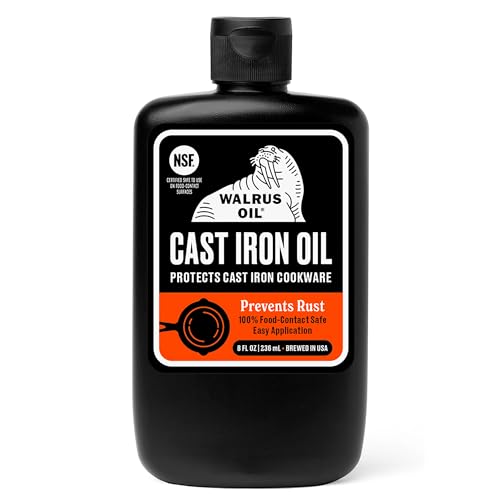
Walrus Oil emphasizes a very high smoke point in a 100% natural, plant-based formula designed for durability and rust resistance. The oil is positioned as a premium option intended to protect and restore cast iron cookware while supporting a robust nonstick layer as it polymerizes under heat. It is marketed as a straightforward oil for heavy-use cookware and high-heat scenarios.
Users can expect a reliable seasoning with strong heat tolerance, which makes Walrus Oil suitable for searing, frying, and high-temperature griddling. The brand’s focus on plant-based ingredients also appeals to cooks seeking a clean, vegan-friendly option without mineral oil components. As with any seasoning oil, consistent application after cleaning enhances longevity of the seasoning.
While high heat performance is a key advantage, buyers should consider whether the oil’s texture and scent align with their kitchen preferences. Walrus Oil offers a compelling balance of heat resilience and plant-based formulation for durable cast iron care.
CLARK’S Seasoning Oil for Cast Iron Skillets

Clark’s Seasoning Oil centers on coconut oil as a premium, plant-based base. It’s marketed as an alternative to mineral oil, helping to protect cookware while contributing to a smooth, even seasoning finish. The coconut oil base supports long-term seasoning maintenance for cast iron skillets, griddles, and other cookware.
This product targets rust prevention and ongoing conditioning as a core benefit. The coconut oil is chosen for its food-grade quality and safety, aligning with cooks who prefer a simple, clean oil for routine seasoning. Users can expect a reliable, plant-based option that supports a neat, polished surface over time.
For those prioritizing mineral oil avoidance and a straightforward conditioning routine, Clark’s offers a practical solution that integrates easily with standard cast iron care practices.
Heritage Products Cast Iron Seasoning Oil

Heritage Products’ cast iron oil uses avocado oil to deliver a low-smoke, hi-temperature conditioning option. The blend aims to preserve and maintain the skillet’s classic patina while delivering a protective coating that resists moisture and rust. This product emphasizes natural ingredients and a balanced approach to seasoning for high-heat cooking.
Regular use can help restore a dull or dry surface to a seasoned finish, with a focus on safe, food-grade ingredients. The avocado oil base supports a durable, food-safe barrier that can withstand frequent use in varied cooking environments. This option suits cooks who value a natural, high-temperature conditioning oil with minimal odor and a smooth finish.
Overall, Heritage Products offers a thoughtful, natural alternative for maintaining and revitalizing cast iron surfaces while keeping the seasoning process approachable for home kitchens.
Buying Guide
Key purchase considerations
Oil base and packaging: Choose an oil base that aligns with your health and cooking priorities. Coconut oil, grapeseed, sunflower, avocado, and blends all polymerize differently. Consider whether you prefer a single-oil base or a blend with beeswax or other conditioning agents that can help build a tougher seasoning layer.
Smoke point and heat tolerance: High-smoke-point oils are often favored for seasoning because they polymerize at higher temperatures, forming a robust nonstick layer. If you cook at high heat regularly, an oil with a higher smoke point may offer better long-term durability.
Food safety and certifications: Look for organic, non-GMO, Kosher, or other safety certs if those values matter to you. Mineral oil-free formulations are common among plant-based options and can influence flavor neutrality and health concerns in some kitchens.
Shelf life and storage: Some oils advise refrigeration after opening or within a year for optimal freshness. Consider how you store oil in your kitchen and whether refrigeration fits your setup without affecting pantry space.
Performance and maintenance considerations
Polymerization behavior: The goal of seasoning oil is to polymerize into a durable, nonstick film. Oils with polyunsaturated fats tend to polymerize more readily, but results can vary with your cooking routine and pan maintenance habits.
Maintenance routine: Some oils excel when used as part of a regular cleaning-and-seasoning cycle, while others may be more forgiving for occasional use. If you clean with soap, ensure the oil you choose can rebuild the seasoning effectively after washing.
Flavor neutrality: For those who cook a variety of foods, a neutral-tasting oil is preferable to avoid imparting extra flavors during seasoning. Plant-based options vary in aroma; check user reviews for any scent tendencies during heating.
Value and packaging: Bigger bottles can reduce cost per use, but you’ll want to balance price with shelf life and how often you reseason. Some brands bundle a cleaning product alongside oil, which can be convenient if you’re starting from scratch.
Comparative snapshot
| Oil Type | Main Benefit | Best For | Potential Considerations |
|---|---|---|---|
| Grapeseed/Sunflower blend with Beeswax | Durable seasoning; matte finish | Regular cooking; home cooks who reseason often | Beeswax adds a film; consider shelf life |
| Coconut-derived oils | Food-grade; mineral oil-free | Health-conscious kitchens; odor-neutral | May have strong coconut notes for some dishes |
| Plant-based oils with high heat tolerance | Very high smoke point; strong seasoning | High-heat searing and grilling | Higher price or stronger scent for some |
| Pure coconut oil | Effective conditioning; mineral oil alternative | Simple, plant-based routine | Flavor and scent can vary by brand |
| Avocado oil-based | Low-smoke; hi-temp performance | Patina maintenance; long-term protection | Typically more expensive |
In summary, the best oil for your skillet depends on your cooking style, budget, and preference for plant-based ingredients. If you regularly cook at high temperatures, prioritize oils with high smoke points and strong polymerization. If you value a clean, neutral flavor and a straightforward maintenance routine, mineral-oil-free coconut or avocado-based options may suit you best. For households seeking a complete care system, some brands pair seasoning oil with cleaning products to streamline upkeep. By aligning your choice with your typical cooking tasks, you can extend the life of your cast iron and keep it performing at its best.