Seasoning a carbon steel wok creates a natural nonstick surface that improves with each use. The right oil or wax blend won’t just protect the wok from rust; it also builds a durable, slick coating that enhances browning and flavor over time. When choosing an oil or conditioning product, consider the base (oil, grapeseed, coconut), the presence of waxes or additives, and how easy it is to re-season as you cook. The following picks are among the most relevant options for carbon steel and wok care, balancing effectiveness with ease of maintenance.
To help you compare at a glance, here is a quick table of the selected products and what they emphasize in seasoning carbon steel and related cookware. The table summarizes each option’s standout benefit and brand focus.
| Product | Brand | Key Benefit |
|---|---|---|
| Sun Luck Oil Wok | Sun Luck | No artificial ingredients |
| Caron & Doucet Cast Iron Seasoning Oil | Caron & Doucet | |
| BuzzyWaxx Original Blend | BuzzyWaxx | |
| Crisbee Stik Cast Iron And Carbon Steel Seasoning | Crisbee | Economical, grapeseed oil and beeswax |
| Crisbee Rub Cast Iron And Carbon Steel Seasoning | Crisbee | Cast iron and carbon steel seasoning, long-lasting |
Sun Luck Oil Wok Seasoning

The Sun Luck Oil Wok product is positioned as having no artificial ingredients. While the listing emphasizes purity, it is suitable for seasoning carbon steel and wok surfaces, helping to build a protective layer that aids in browning and preventing sticking. Applied in thin, even coats, the oil can be heated to bond with the pan’s surface, supporting a durable seasoning over repeated use. The focus on clean ingredients may appeal to cooks seeking minimalist, ingredient-conscious care for their cookware.
Usage guidance centers on even application and re-seasoning as needed. Because the listing highlights the absence of artificial components, this option may be favored by those who prefer straightforward formulations without additives. For daily wok care, integrate it into your standard season-and-bake routine to gradually reinforce the seasoning on carbon steel.
Caron & Doucet Cast Iron Seasoning Oil

The Caron & Doucet product is a 100% plant-based and food-grade seasoning oil. It uses palm- or coconut-derived bases that are common in cast iron and carbon steel care, aiming to nourish seasoning layers while remaining safe for contact with food. The plant-based formulation emphasizes a clean, solvent-free approach that can help restore or maintain a nonstick surface without introducing synthetic residues. It’s described as suitable for seasoning, restoring, curing, and care of seasoned cookware.
In practice, the oil is designed to create a protective, moisture-repellent coating that resists rust and makes cleaning easier. The essential oils included aim to help deodorize odors that can develop with cooking, leaving cookware with a neutral or mild scent. For carbon steel and cast iron alike, this oil supports a robust, long-lasting seasoning when used as part of a regular maintenance routine.
BuzzyWaxx Original Blend
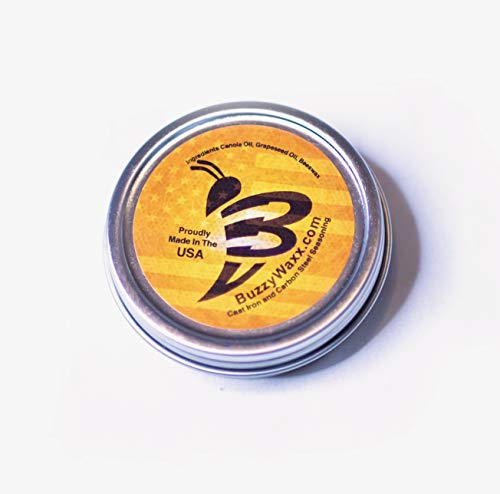
BuzzyWaxx Original Blend combines grapeseed and canola oils with beeswax, creating a simple three-ingredient seasoning wax. The blend targets cast iron but is described as also suitable for carbon steel, offering a conditioning layer that protects against moisture and general wear. The inclusion of beeswax helps form a durable film that can be less prone to cracking or flaking with daily use, contributing to a smoother nonstick surface over time.
Three-ingredient simplicity is highlighted as a strength, and the product is positioned as particularly effective for ongoing maintenance. Because it is a wax-infused blend, applications may require warming to soften the wax for even distribution. This option is often chosen for its balance of protection and affordability, making it a practical choice for regular seasoning cycles on carbon steel and cast iron alike.
Crisbee Stik Cast Iron And Carbon Steel Seasoning
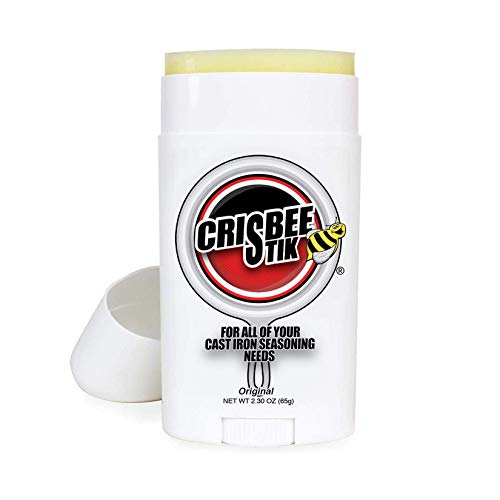
Crisbee Stik is built around grapeseed oil and beeswax, marketed as a family-made, USA-based option. The product emphasizes economy—“a little goes a long way”—and is presented as a preferred choice by experts who season cast iron and carbon steel. The combination of grapeseed oil and beeswax provides a protective film that resists moisture and stickiness, while the wax component adds durability to the seasoning layer. This makes it practical for regular upkeep of a wok’s surface, helping maintain a smoother nonstick performance over time.
“A little goes a long way” suggests a light application can deliver substantial results, reducing waste and cost per use. For carbon steel cookware, this seasoning approach can be integrated into routine clean-and-season cycles, contributing to consistent performance and longevity without frequent reapplication.
Crisbee Rub Cast Iron And Carbon Steel Seasoning
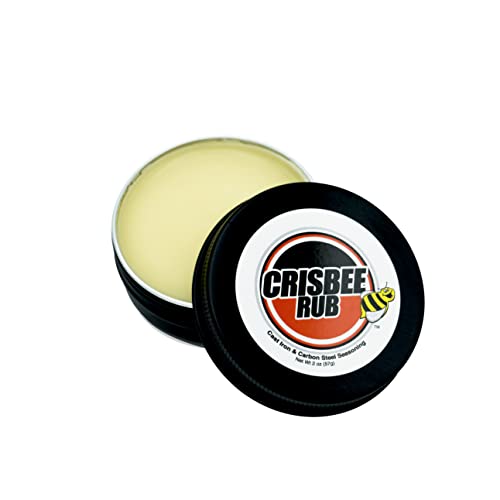
Crisbee Rub focuses on a cast iron and carbon steel seasoning approach with a blend described as an oil-and-beeswax combination. It emphasizes the notion that the seasoning helps food release and protects cookware from wear. The marketing messages highlight that Crisbee products are trusted by cast iron enthusiasts and professionals to maintain nonstick performance and surface integrity over time.
The combination of oil and beeswax aims to deliver a durable, smooth coating that resists sticking and makes cleaning easier. This option is suitable for both new and seasoned pans, supporting a consistent seasoning layer across carbon steel and cast iron cookware through repeated cooking sessions and routine maintenance.
Buying Considerations For Carbon Steel Wok Seasoning
When choosing an oil or wax-based product for carbon steel wok seasoning, several factors matter. First, consider the base: pure plant oils like grapeseed, canola, or coconut offer effective seasoning but may differ in smoke point and odor. Second, assess whether a wax component is included; wax can improve durability but may require warmer application and removal steps. Third, evaluate whether the product is labeled as food-grade and free from artificial additives if you cook frequently at high temperatures. Finally, factor in cost, availability, and how easy the product is to re-season with recurrent use.
Buying Guide
Key purchase considerations and practical comparisons help you select the right option for your carbon steel wok care needs. Below is a concise guide to ensure you choose a product aligned with your cooking style and maintenance preferences.
- Base composition: Oils (grapeseed, canola, coconut) offer different smoke points and flavors. Plant-based oils are common, while waxes add durability but may require heating to apply evenly.
- Wax versus oil balance: Wax in seasoning blends typically yields a tougher film, reducing moisture intrusion but potentially needing more controlled application. Oil-only products emphasize leaner coats that require frequent maintenance.
- Food-grade and additives: For frequent wok use, prioritize products labeled food-grade with minimal additives. This supports safe contact with cooking surfaces and aligns with cleaning routines.
- Application method: Some products are easiest with a thin layer baked or heated into the surface; others may advise multiple light coats. Follow the manufacturer’s directions for best results.
- Target cookware: While many products advertise compatibility with cast iron, they also suit carbon steel and Dutch ovens. If you primarily season carbon steel, confirm compatibility with carbon steel pans specifically.
- Maintenance cadence: More durable coatings require less frequent re-seasoning, while leaner coatings may need periodic reapplication after heavy use or cleaning.
- Odor and flavor transfer: Plant-based blends and essential oils may impart mild scents; some cooks prefer neutral coatings to avoid flavor transfer to food.
- Price and availability: Consider cost per application and whether the product is readily available in your region, especially for regular seasoning routines.
- Long-term performance: Regular seasoning, regardless of product type, improves nonstick performance and rust protection over time, making the choice a balance between initial convenience and long-term results.