Choosing a non-toxic Dutch oven means prioritizing cookware built with safe materials and coatings, while delivering reliable heat and versatility. This guide highlights five top choices that emphasize non-toxic construction, durable materials, and practical design for everyday cooking—whether braising, baking bread, or slow-simmering stews. Below you’ll find a quick product snapshot, detailed section insights, and a buyer’s guide to help you select the right pot for your kitchen.
| Product | Brand | Capacity | Material / Coating | Notable Benefit |
|---|---|---|---|---|
| Lodge 7-Quart Cast Iron Dutch Oven | Lodge | 7 Qt | Cast Iron, Pre-Seasoned | PFAS-Free & Non-Toxic; Self-Basting Lid |
| Umite Chef Cast Iron Dutch Oven Pot With Skillet Lid | Umite Chef | 5 Qt | Cast Iron, Pre-Seasoned | PFAS-Free & Non-Toxic; Raised Rib Lid for Flavor |
| LE TAUCI 3 Quart Ceramic Dutch Oven | LE TAUCI | 3 Qt | Ceramic | Non-Toxic; No Seasoning Needed; Dishwasher Safe |
| Caraway Nonstick Ceramic Dutch Oven Pot (6.5 Qt) | Caraway | 6.5 Qt | Ceramic, Nonstick | Non-Toxic; PTFE & PFOA Free; Easy Cleanup |
| Lodge 6 Quart Enameled Cast Iron Dutch Oven | Lodge | 6 Qt | Enameled Cast Iron | Durable, Oven Safe to 500°F; Easy to Clean |
Lodge 7-Quart PFAS-Free Dutch Oven

The Lodge 7-quart Dutch Oven is a classic choice for households prioritizing safety and durability. It offers a naturally seasoned cast iron surface, free from PFAS, PFOA, and PTFE, with a rugged, long-lasting finish that improves with use. The lid is designed for self-basting, returning moisture to the dish to help maintain moisture and flavor during braises, stews, and roasts. Dual-loop handles provide a secure grip for transfers from oven to table, even when wearing oven mitts. This pot is compatible with induction and performs well on modern ranges while delivering consistent heat retention.
With its heavy, heat-retentive body, this Dutch oven supports steady simmering and browning, making it ideal for large families or meal prep. The no-coated surface avoids synthetic layers, appealing to cooks seeking a traditional, time-tested approach to slow cooking. It is important to note that maintenance involves standard care for cast iron—keep it dry, season as needed, and re-season if rust-like spots appear. The product’s design emphasizes durability and consistent results across a range of cooking techniques.
Use cases include braising beef short ribs, cooking hearty stews, baking rustic breads, and even roasting whole chickens. The pot’s robust construction makes it a versatile centerpiece for oven-to-table presentations and meal prepping. If you prefer a traditional, no-frills, high-heat cooking vessel that minimizes synthetic exposures, this Lodge model is a strong contender.
Umite Chef Cast Iron Dutch Oven Pot With Skillet Lid

Umite Chef emphasizes safety with a PFAS-free and non-toxic cast iron design. This pot is marketed as 100% pure cast iron, not enamel-coated, which means high-heat cooking remains straightforward with a well-seasoned surface that develops stronger non-stick characteristics over time. The raised rib lid technology traps rising vapor and redistributes it back onto the food, promoting juicier meats and reduced oil absorption—claims supported by the design rather than synthetic coatings. The pot delivers excellent thermal mass for even sear, braise, and simmer across stovetops, ovens, grills, or campfires.
Carefully pre-seasoned for immediate use, it supports uniform heating from center to edge and maintains heat during long cooking sessions. The ribbed lid also assists with moisture control, helping to minimize splatter and boil-overs during intense simmering. Users should avoid thermal shock by allowing the pot to cool naturally before washing. The cookware’s durability and compatibility with multiple heat sources make it suitable for a wide range of recipes—from bread bowls to deeply braised stews.
LE TAUCI 3 Quart Ceramic Dutch Oven

The LE TAUCI 3 Quart Ceramic Dutch Oven offers a lighter alternative to traditional cast iron with a focus on non-toxicity and convenience. This ceramic pot requires no seasoning and is designed for easy maintenance, making it well-suited for cooks seeking a simple, safe option. It is oven-safe up to 500°F and compatible with microwaves and dishwashers, which adds to its appeal for busy kitchens. Ceramic construction is naturally non-toxic and free from heavy metals, providing a clean flavor profile and straightforward cleanup.
In practice, the LE TAUCI ceramic oven excels for sourdough starters, soups, stews, and single-dish meals. Its lighter weight reduces handling effort, which can be a meaningful advantage for households prioritizing ease of use. While the capacity is smaller than larger cast-iron options, the ceramic design makes it a practical choice for intimate dinners, meal-prep singles, or compact kitchens that still want toxin-free cooking options.
Caraway Nonstick Ceramic Dutch Oven Pot (6.5 Qt)

Caraway’s 6.5-quart ceramic Dutch oven combines non-toxic materials with a naturally non-stick interior. The pot is PTFE and PFOA free, with a ceramic nonstick surface designed to reduce the amount of oil needed for cooking and to simplify cleanup. It is compatible with all stovetops, including induction, and is oven-safe for a wide range of recipes—from braises to bread baking. Caraway emphasizes color and design as part of a modern kitchen aesthetic, while its non-toxic ceramic interior delivers a straightforward cooking experience with less scrubbing after meals.
Practical benefits include easy release, even heat distribution, and a smooth cooking surface that’s friendly to beginners and seasoned cooks alike. The 6.5-quart capacity supports family-style meals or batch cooking, and the cookware’s interior resilience remains a strength for regular meal prep. As with all ceramic and nonstick cookware, careful handling, appropriate heat settings, and avoiding metal utensils will extend the life of the non-toxic interior.
Lodge 6 Quart Enameled Cast Iron Dutch Oven
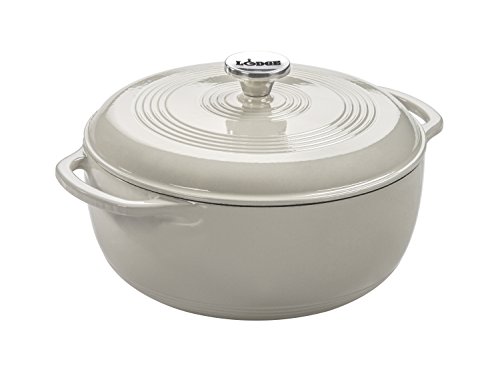
The Lodge 6-quart enameled cast iron Dutch oven combines the durability of cast iron with the convenience of enamel. The porcelain enamel coating provides a sturdy, easy-to-clean interior that withstands browning, braising, and baking. It is oven-safe up to 500°F and suitable for stovetop use, with dual handles that facilitate safe transport from oven to table. Enamel finishes resist staining and rust, while the pot’s dense construction delivers reliable, even heat for long cooking sessions. This model is well-suited for cooks who want a lower-maintenance option without seasoning, while still maintaining classic cast-iron performance.
Buying Guide: Key Considerations When Choosing A Non-Toxic Dutch Oven
- Material and coatings: Cast iron (bare or enamel) provides the best heat retention, while ceramic options offer low-toxicity, no-seasoning convenience. Enamel coatings reduce corrosion risk and simplify cleaning but may require careful care to avoid chips. Consider whether you want a nonstick interior (ceramic nonstick) or a traditional seasoned surface (bare cast iron).
- Non-toxicity and safety: Look for explicit claims such as PFAS-free, PFOA-free, PTFE-free, and no lead or hazardous coatings. The five highlighted options emphasize non-toxic construction through enamel, ceramic, or well-seasoned cast iron.
- Heat distribution and retention: Cast iron excels at even heat distribution and long heat retention, making it ideal for braising and bread baking. Ceramic and enamel-coated options offer more even heat across the surface with less risk of rust or seasoning maintenance.
- Lid design and moisture control: Self-basting lids (where present) return moisture to the dish, aiding flavor and tenderness. Condensation-guiding lids in some unlacquered designs help minimize moisture loss and boil-overs during simmering.
- Durability and maintenance: Bare cast iron requires seasoning and proper drying, while enamel and ceramic options require less maintenance but can chip if mishandled. Consider your willingness to season and re-season, or opt for low-maintenance enamel or ceramic.
- Size and versatility: Capacities range from compact 3 qt to large 7 qt. Choose a size that suits your typical family meals and recipes—bread baking often benefits from larger volumes, while single servings may fit a 3–4 qt pot.
- Compatibility: Ensure the pot works with your cooktop, especially if you use induction. Oven safety is also crucial for dishes that finish with a bake.
- Care and cleaning: Ceramic and enamel-coated pots are generally easier to clean; bare cast iron demands dry storage and occasional re-seasoning. Follow manufacturer guidelines to preserve non-toxic surfaces.
- Value and durability: A well-chosen non-toxic Dutch oven is a long-term investment. Durability, warranty, and brand reputation are useful indicators of long-term performance.
In sum, top non-toxic Dutch ovens combine safe materials with reliable heat behavior and practical designs. When selecting a model, balance material type, maintenance needs, and capacity against your cooking style—whether you need bread-baking patience, slow braises, or easy daily meals. The five options highlighted here offer a spectrum of choices: from traditional cast iron with self-basting lids to modern ceramic and nonstick ceramic designs—each prioritizing safety and dependable cooking results.