Choosing the best mixer for kneading dough depends on batch size, power, and how often you bake. This guide focuses on reliable home and light commercial mixers that excel at kneading, with strong builds, dough hooks, and practical features like fermentation or speed control. The five selected models balance capacity, performance, and value. Use the summary table to quickly compare capacity and standout features, then read the detailed sections for considerations based on your baking needs.
| Product | Brand | Capacity | Key Feature |
|---|---|---|---|
| Aucma 6.5-Qt Stand Mixer | Aucma | 6.5 Qt | 660W motor; tilt-head; LED indicator |
| VEVOR 8.5Qt Commercial Dough Mixer | VEVOR | 8.5 Qt | 450W; dual rotating; timer |
| Bosch Universal Plus Stand Mixer | Nutrimill | 6.5 Quarts | Bottom drive; durable transmission |
| GarveeTech 10.5 Qt Dough Mixer | GarveeTech | 10.5 Qt | 650W; touch screen; safety shield |
| Joydeem 7Qt Dough Maker | JOYDEEM | 7 Qt | Ferment function; 200W; simple control |
The following five models are selected for their kneading performance, build quality, and practical features that matter for common dough tasks such as bread, pizza, and pastry dough. Each section covers key strengths, typical use cases, and how the unit fits different kitchen setups.
Aucma 6.5-Qt Stand Mixer

The Aucma 6.5-Quart Stand Mixer delivers a robust 660W copper motor paired with six optimized speeds and a pulse function, supporting a wide range of doughs from light pastry to dense whole-grain loaves. Its tilt-head design provides easy bowl and attachment access, while a blue LED power indicator adds a touch of style. The 6.5-quart stainless steel bowl includes dual handles for stable loading, and the housing finish offers a sleek, easy-to-clean surface for busy kitchens.
- 660W copper motor; six speeds plus pulse
- 6.5Qt stainless steel bowl with dual handles
- Tilt-head design with LED indicator
- Quiet operation for a power class performer
In practice, this model handles medium to large dough batches with confidence, performing well for daily bread, pizza dough, and cookie dough across a busy home kitchen. A combination of performance and user-friendly features makes it a solid all-purpose kneader without sacrificing ease of use.
VEVOR 8.5Qt Commercial Dough Mixer
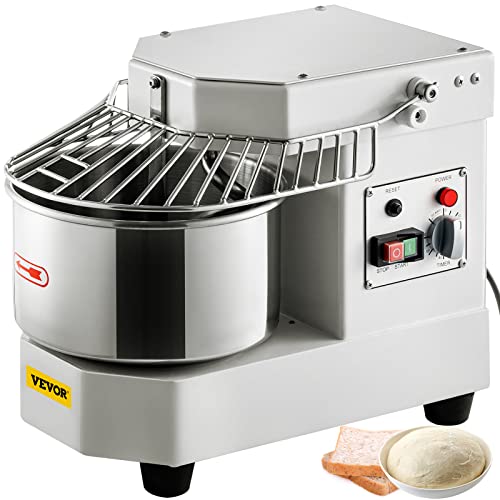
The VEVOR 8.5-quart mixer emphasizes batch capability with a 450W motor and dual rotating action to simulate hands-on kneading. Its food-grade stainless steel bowl resists corrosion and is easy to sanitize, while a protective shield helps keep ingredients contained. A timer adds scheduling flexibility for longer dough programs, such as fermentation or multi-step recipes. This model suits aspiring bakers who routinely prepare sizeable dough portions for bread, pizza, or pastry batches.
- 8.5Qt capacity; 450W motor
- Dual rotating action; timer included
- Food-grade stainless steel bowl; safety shield
For kitchens that require consistent dough development without manual intervention, the VEVOR unit combines straightforward operation with reliable performance. Its design focuses on function and durability for frequent kneading tasks in homes or small cafes.
Bosch Universal Plus Stand Mixer
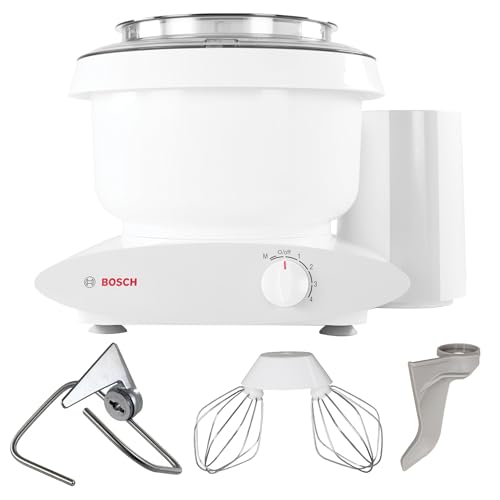
The Bosch Universal Plus offers a durable, low-profile design with a 6.5-quart BPA-free plastic bowl and a bottom-drive configuration that simplifies ingredient addition. Its dual beaters provide thorough mixing and whipping, while the belt-driven transmission supplies substantial torque for kneading large batches—reportedly capable of handling up to 14 loaves in a single run. The unit emphasizes practicality, with dishwasher-safe parts and a design aimed at long-term reliability in busy kitchens.
- 6.5-quart capacity; BPA-free bowl
- Bottom-drive for easy ingredient addition
- Powerful belt-driven transmission; strong kneading
Ideal for serious home bakers and small-batch production, this model balances traditional reliability with a straightforward, durable build. It’s particularly well-suited for doughs requiring consistent development and large-volume mixing.
GarveeTech 10.5 Qt Touch Screen Dough Mixer

The GarveeTech commercial mixer features a large 10.5-quart stainless steel bowl and a 650W dual-rotating kneading system. A modern touch screen control offers precise digital operation, simplifying long kneading cycles and batch management. The safety shield helps prevent splatter, and the emergency stop button provides an extra layer of protection during heavy mixing sessions. This model targets restaurants, bakeries, or home kitchens that regularly work with substantial dough volumes.
- 10.5 Qt capacity; 650W
- Touch screen control
- Safety shield with emergency stop
Users benefit from clear digital feedback and the ability to schedule multi-step kneading or fermentation programs. The combination of power, capacity, and safety features makes it a strong option for frequent, high-volume dough work.
Joydeem 7Qt Dough Maker

The Joydeem dough maker aims to combine kneading with fermentation in a compact 7-quart unit. Its 200W motor operates in a pulsed pattern to mimic hand kneading, and a dedicated fermentation function maintains 77–100°F to support dough development. The 7-quart bowl accommodates family-sized batches, making it suitable for regular home baking, pizza nights, and bread production. The control panel is straightforward, helping users set knead or ferment programs quickly.
- 200W motor; fermentation function
- 7 Qt capacity
- Simple touch-panel operation
For households seeking a more specialized kneading and fermentation workflow in a single appliance, the Joydeem provides a balance between automation and control, useful for frequent dough preparation without manual kneading effort.
Buying Guide
Capacity And Batch Size
Choose capacity based on typical dough quantities. Home bakers often succeed with 6.5–8.5-quart machines for weekly bread or pizza dough. Bigger batches benefit from 10–12 quart models or even commercial units. Remember that larger bowls require more counter space and a stable setup. If you bake for gatherings, consider whether you want to knead multiple doughs in parallel or single, larger batches.
Power, Speed, And Kneading Performance
A stronger motor helps with dense doughs, especially whole-grain blends. For regular bread dough, aim for at least 450W; for frequent heavy kneading, 650W or more is advantageous. A broad speed range and a pulse function aid in initial mixing, kneading, and final mixing stages. Be mindful that higher power can increase noise and energy use, so balance with your tolerance for sound and electricity consumption.
Materials, Attachments, And Cleaning
Stainless steel bowls resist staining and are easier to sanitize. Look for metal gears or a sturdy belt system for longevity. Check that attachments include a dough hook and beater or whisk, and verify compatibility with additional tools you may want in the future. Tilt-head designs offer easier loading and cleaning, while bottom-drive configurations can simplify ingredient addition during kneading.
Controls, Safety, And Durability
Digital controls provide a modern user experience, while simple dials can be more intuitive for some users. Safety shields, lid locks, and emergency stop features add protection during powerful kneading. A well-built chassis and rust-resistant components contribute to long-term durability in busy kitchens, particularly if you knead dough weekly or more often.
Fermentation, Special Features, And Portability
Some models add fermentation or precise temperature control, which can simplify dough proofing for breads and pastries. Timers help automate long cycles, while the footprint matters for smaller kitchens. If you need both kneading and proofing in one appliance, choose a model that clearly supports both functions with reliable control.
Price, Value, And Brand Support
Value often comes from a mix of performance, durability, and aftermarket support. Look for solid warranties and accessible customer service. For heavy or frequent use, prioritize models designed for long-term reliability and ease of maintenance, rather than the lowest upfront price.