Left-handed knives are crafted to fit the unique grip and cutting angles of southpaw users, delivering better control, safer handling, and more accurate results. This guide highlights five top left-handed knives that span carving tools, chef knives, bread knives, and paring blades. Each choice emphasizes ergonomic design, durable materials, and practical performance in real-world tasks—from slicing sashimi to carving wood. Below you’ll find key purchase considerations, a quick product snapshot, and a detailed look at each option to help you choose confidently.
| Product | Brand | Type | Notable Feature |
|---|---|---|---|
| FLEXCUT Left Handed Carvin Jack 2.0 | FLEXCUT | Carving Knife Multitool | Six blades in one; aerospace aluminum handle |
| Mercer Culinary Asian Yanagi Sashimi Knife | Mercer Culinary | Sashimi Knife | High-carbon German steel; ergonomic handle |
| Lefty’s Left Handed Chef Knife | Lefty’s The Left Hand Store | Chef Knife | Left-handed bevel; 12.5″ overall |
| Uprichya Bread Knife | Uprichya | Bread Knife | Left-handed serrated blade; replaceable blade option |
| Lefty’s Left Handed Paring Knife | Lefty’s The Left Hand Store | Paring Knife | Left-handed bevel; 7.5″ overall length |
FLEXCUT Left Handed Carvin Jack 2.0

The FLEXCUT Carvin Jack 2.0 is a left-handed folding multitool designed for woodcarvers who want a compact, all-in-one solution. It blends six carving blades into a single, portable unit, enabling quick tool changes without repositioning the hand. The design emphasizes a secure grip with an aerospace-grade aluminum handle, which enhances control during delicate cuts. Its 1095 high-carbon steel blades are built for precise carving with good edge retention, making it suitable for long carving sessions on wood projects.
- Six integrated carving tools: Detail Knife, Pelican Knife, Hook Knife, Straight Gouge, Gouge Scorp, V-Scorp
- Folding design that supports left-handed use with safe deployment
- Aerospace aluminum handle for durability and grip
- 1095 high-carbon steel blades for precision carving
- Compact, pocket-friendly tool for studios and on-site work
Mercer Culinary Asian Yanagi Sashimi Knife
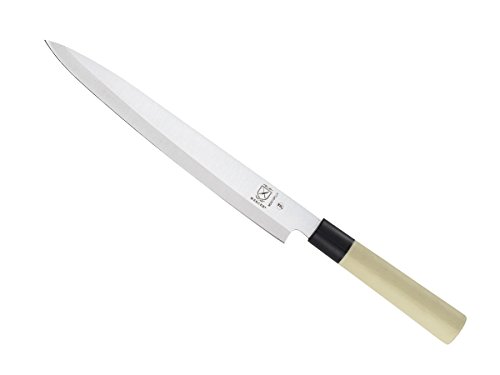
This left-handed Yanagi Sashimi Knife from Mercer Culinary is built for precision fish preparation. It uses high-carbon German steel and is taper-ground to form a single-edge blade, delivering clean, long slices with minimal resistance. The ergonomic handle is designed to maintain a firm grip even when hands are wet, helping maintain control during delicate tasks such as sashimi and filleting. The blade’s stainless-like finish aids corrosion resistance, supporting easy cleaning and longer blade life in busy kitchens.
- High-carbon German steel for a sharp, durable edge
- Taper-ground blade for clean, precise cuts
- Ergonomic handle for comfort and grip in wet conditions
- Long 10-inch blade suited for fish and sashimi prep
- Maintains edge with proper care and honing
Lefty’s Left Handed Chef Knife

The Lefty’s Left Handed Chef Knife is positioned for versatile kitchen use with a left-handed bevel. The stainless steel blade provides durability and steady edge retention for chopping, slicing, and dicing across a range of ingredients. The handle adopts a plastic-wooden effect with a soft grip, designed to fit the left hand naturally and reduce fatigue during longer prep tasks. With a 12.5-inch overall length and an 8-inch blade, this knife balances reach with control for everyday cooking needs.
- Left-handed bevel optimized for southpaw users
- Stainless steel blade with strong edge retention
- 12.5-inch overall length; 8-inch blade for balance
- Wood-like, soft-grip handle designed for the left hand
- General-purpose use suitable for vegetables, proteins, and more
Uprichya Left-Handed Bread Knife

The Uprichya bread knife is tailored to left-handed bread lovers. The camber-designed wood handle is aimed at ergonomic comfort, providing a secure grip during long bread sessions. The blade is thicker, wider, and sharper serrated than many competitors, with corrosion-resistant stainless steel to maintain cutting performance over time. A unique feature is embedded screws at both ends of the wooden handle, allowing blade changes without compromising the wood. Replacement blades are offered for continued use.
- Left-handed bevel for natural cutting angle
- Thick, wide, and sharp serrated blade
- High-quality stainless steel for durability
- Replaceable blade option with embedded screws for easy swaps
- Ergonomic wood-style handle for comfortable grip
Lefty’s Left Handed Paring Knife

The Lefty’s Left Handed Paring Knife provides a compact, precise option for peeling, trimming, and coring tasks. The stainless steel blade offers solid durability and edge retention, while the left-handed bevel aligns with the user’s perspective for accurate control. The plastic-wooden effect handle has a soft grip that fits the left hand, and the 7.5-inch overall length with a 3.5-inch blade makes it ideal for detail work. The knife is described as extremely sharp and straightforward to maintain.
- Left-handed bevel for precise control
- 7.5-inch overall length; 3.5-inch blade
- Stainless steel blade with a durable edge
- Soft-grip, wood-like handle design
- Ideal for trimming, peeling, and garnishing tasks
Buying Guide: Key Purchase Considerations And Comparisons
Choosing the right left-handed knife depends on your intended tasks, kitchen environment, and maintenance preferences. The five featured options cover carving, fish preparation, general kitchen prep, bread slicing, and precision paring. Consider blade material, ergonomics, blade length, and durability when selecting a tool that fits your workflow. Below, you’ll find practical guidance to help you compare options and align a knife with how you cook, bake, or craft.
Blade Material And Edge Retention
Blade material influences sharpness, longevity, and care needs. Stainless steel offers corrosion resistance and lower maintenance, which suits busy home kitchens. High-carbon steels, like the Yanagi and certain FLEXCUT blades, provide exceptional edge retention but may require more careful maintenance to prevent rust. For woodworking blades in the Carvin Jack, carbon steel often delivers a finer edge for detailed cuts, while handle durability remains critical for long sessions. Choose based on how often you sharpen and how closely you monitor blade upkeep.
Ergonomics And Left-Handed Design
Left-handed bevels shift the cutting edge to accommodate a southpaw grip, improving control and reducing slip during precise cuts. Ergonomic handles—whether wood-like, plastic, or metal—should fit comfortably in your hand and support a natural wrist posture. Tools designed for left-handed users tend to offer balanced weight distribution to prevent fatigue during extended prep or carving tasks. If possible, test the grip and balance to ensure accuracy and safety in real-world use.
Task-Specific Considerations
Different tasks demand different blade geometries and lengths. A long, flexible sashimi knife excels at clean fish cuts, while a broad chef knife provides versatility for vegetables and proteins. A bread knife requires a strong serrated edge and a strong blade to maintain slice integrity across crusts. For carving, a multi-tool like the Carvin Jack 2.0 benefits from blade variety and secure folding mechanics. Align your choice with your primary activities—culinary or craft—and anticipate future tasks to maximize value.
Maintenance, Care, And Longevity
Maintenance routines influence performance and lifespan. Sharpening frequency, hand-washing vs. machine washing, and drying practices affect blade longevity. For stainless variants, routine cleaning suffices, but high-carbon blades demand timely oiling and drying to prevent corrosion. Replacement blade options, like Uprichya’s model, can extend life and keep performance consistent. Consider how easy it is to maintain your knife within your cooking or woodworking environment and whether you prefer built-in blade changes or straightforward replacement options.
Value, Durability, And Use Case
Value comes from how well a knife performs across its intended tasks and how long it lasts under normal use. The carving multitool offers versatility for woodworkers, while kitchen-focused blades provide consistent reliability for daily cooking. A well-balanced knife with a comfortable grip reduces fatigue and supports safer handling. Compare warranties, replacement parts, and maintenance requirements to determine which model provides the best long-term value for your needs.
Comparison Snapshot
| Product | Primary Use | Blade Material | Notable Benefit |
|---|---|---|---|
| FLEXCUT Carvin Jack 2.0 | Wood carving | 1095 high-carbon steel | Six blades in one; left-handed folding design |
| Mercer Yanagi Sashimi Knife | Sushi/sashimi prep | High-carbon German steel | Long, precise clean cuts; ergonomic handle |
| Lefty’s Left Handed Chef Knife | General kitchen prep | Stainless steel | Left-handed bevel; balanced for everyday use |
| Uprichya Bread Knife | Bread slicing | Stainless steel | Thick, serrated blade; replaceable option |
| Lefty’s Left Handed Paring Knife | Detail prep | Stainless steel | Left-handed bevel; compact and precise |
These considerations help you balance daily practicality with long-term durability. If you frequently handle delicate tasks like sashimi or fine carving, prioritize edge geometry and ergonomics. For regular kitchen prep, stainless steel and comfortable grips offer easier maintenance. For bakers, a strong serrated left-handed bread knife is essential. By aligning blade material, ergonomics, and task needs, you can select a left-handed knife that delivers reliable, repeatable performance across your hobbies and recipes.