Tiny houses demand compact sanitation that works off the grid. This guide highlights five top composting and urine-separating toilets ideal for micro homes, RVs, campers, and vans. Each option emphasizes odor control, easy maintenance, and efficient waste handling in tight spaces. From classic self-contained units to portable, battery-powered models, these picks are designed to minimize plumbing needs while delivering reliable performance in small footprints.
Read on for objective comparisons, installation considerations, and practical tips to help choose the best fit for your tiny home project.
| Product | Brand | Type / Key Feature | Ideal For | Notes |
|---|---|---|---|---|
| Nature’s Head Self Contained | Nature’s Head | Composting Toilet; Odor-free, easy installation | Small spaces seeking true composting functionality | 5-year warranty; no maintenance required |
| OGO Compost Toilet | OGO | Urine-separating; Odorless separation; Independent of dump stations | Off-grid setups needing independence from dump stations | Sturdy build; handles substantial waste capacity |
| Separett Tiny Urine Container | Separett | Urine-separating; Removable 2-gallon urine container | Compact, waterless design for tiny homes | Odor-free operation; easy liquid disposal |
| Separett Tiny Urine Tube Version | Separett | Urine-diverting; Direct urine drainage to external system | Minimal maintenance in off-grid living | Waterless; compact footprint |
| TROBOLO WandaGO | TROBOLO | Composting toilet; Odorless, spill-proof; SafeShell System | Portable use in vans, campers, and tiny homes | Lightweight with adjustable seat |
Nature’s Head Self-Contained Composting Toilet
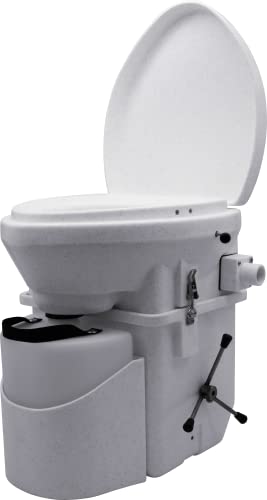
Nature’s Head is a classic choice for tiny homes seeking a true composting solution. The unit is designed for easy installation by a handy homeowner and emphasizes odor-free operation. Its self-contained design reduces plumbing requirements, making it well-suited for off-grid residences or mobile living. The model is marketed with a focus on low maintenance and a long-term warranty, adding confidence for long-term use in small spaces. The compact form factor fits narrow bathrooms, while the waste separation process minimizes the chance of unpleasant smells. Overall, it pairs reliability with a straightforward setup.
For users prioritizing odor control, the Nature’s Head system can minimize maintenance tasks and streamline waste management. Its robust construction supports typical adult users while staying within the space constraints common to tiny houses. If you value a well-established, relatively simple installation and a proven track record, this option provides a dependable path to chemical-free, off-grid sanitation that many tiny-house builders and owners trust.
OGO Compost Toilet
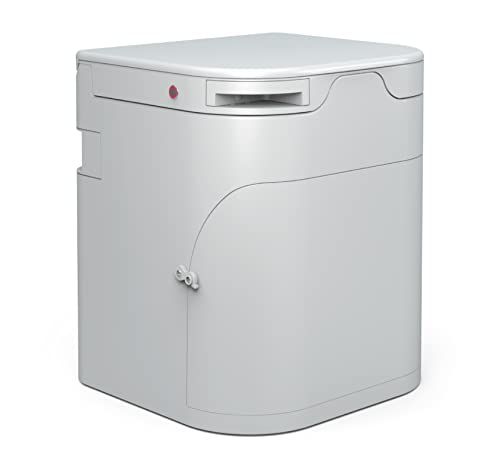
OGO’s compost toilet emphasizes odor control through a urine separation function and a design that avoids chemicals and extra water. This means less reliance on dump stations and greater off-grid independence—ideal for tiny houses connected to batteries or solar setups. The unit is built to withstand regular use, with a notably sturdy construction that supports heavy occupants. Its hygienic disposal features include a removable solids bin and a urine bottle, designed to simplify emptying and cleaning, which is important in compact bathrooms.
In practice, the OGO model targets users who want a straightforward recycling of waste without frequent chemical additives. By separating liquids from solids, it can reduce odor and help manage waste in a contained space. The capacity for solids equals roughly 25–30 uses depending on usage, while the urine bottle holds several gallons of liquid, minimizing trips to disposal points in small living environments. This makes it a strong candidate for off-grid tiny homes seeking practical composting performance.
Separett Tiny Urine Container Model

This Separett model focuses on a compact, waterless design with urine separation. A built-in ventilation fan supports odor control, maintaining a fresh bathroom environment in tiny homes. The standout feature is the removable 2-gallon urine container, which simplifies liquid disposal without frequent container changes. The combination of a small footprint, odor management, and straightforward liquid handling makes it a practical option for small bathrooms where plumbing options are limited and space is at a premium.
The Urine Container variant is well-suited for users who want a true off-grid solution without water use. Its design minimizes maintenance while keeping waste separated and easy to manage. This model’s portability and compact size can appeal to those upgrading from traditional portable toilets or integrating a urine-diverting system into a tiny-house bathroom remodel.
Separett Tiny Urine Tube Version

The Urine Tube Version is another compact, waterless option designed for tiny homes and off-grid living. A key feature is direct urine drainage through a urine tube to an external greywater system or holding tank, reducing maintenance and the need to manage a urine container. This direct drainage can simplify waste handling, especially in small bathrooms where space is tight and frequent bag changes are undesirable. It also helps minimize odors by keeping liquids separate and moving them away from the seating area.
Installation considerations include ensuring a path for the urine tube to an appropriate external system and confirming battery-powered or vented operation to maintain odor control. This model appeals to buyers seeking a streamlined, low-maintenance toilet that prioritizes hygiene and space efficiency without sacrificing the composting benefits associated with urine separation.
TROBOLO WandaGO Composting Toilet

TROBOLO WandaGO offers a portable, lightweight composting solution with a strong emphasis on odor control and spill protection. The SafeShell System provides an extra layer of protection against smells and liquid spills, which is valuable in tight bathrooms or mobile setups like vans and RVs. The unit is compact and designed for comfortable use with an adjustable seat that supports different user heights. This model suits tiny-house enthusiasts who value portability without sacrificing the benefits of urine and solid separation.
With its compact dimensions and ergonomic design, WandaGO is particularly well-suited for travelers and people who move between spaces. The lightweight construction makes it easier to position or stash when not in use, while still delivering a semi-permanent, off-grid waste solution. Buyers seeking a truly portable option that can function independently from water facilities will find WandaGO appealing for cabins, tiny houses on wheels, or off-grid outposts.
Buying Guide
Key differences: Composting vs Dry Flush vs Urine Separation
Composting toilets rely on aerobic decomposition of waste, producing a reduced volume of sanitizable material that can be disposed of in appropriate systems. Urine-separating models add a dedicated liquid container to simplify waste handling and odor control. Dry-flush or portable options, like some variants, don’t compost but seal waste in airtight bags. Tiny homes typically benefit from urine separation to minimize odors and reduce maintenance. Assess your willingness to manage compostable waste, venting needs, and whether you have space for a composting bin or external disposal.
Size, weight, and space planning
Small bathrooms demand compact footprints and light weight while maintaining user comfort. Look for models with foldable or narrow profiles, adjustable seating, and efficient ventilation. Weigh options against your available cabinet or closet space, door clearance, and the path to venting exhaust. A unit that is too large or heavy can complicate installation or relocation during moves. In general, a lighter, more compact system is easier to integrate into a tiny house or mobile living environment.
Odor control and ventilation considerations
Odor management is critical in confined spaces. Many composting toilets employ urine separation, ventilation fans, or sealed waste bags to minimize smells. When choosing, consider whether your bathroom has existing venting capacity or if you’ll need to install an inline vent or exhaust fan. External factors such as humidity and temperature can affect odor persistence, so models with robust ventilation or odor-free claims tend to perform better in small living spaces.
Maintenance and ease of waste disposal
Maintenance varies by design. Self-contained composting systems require periodic bin emptying and proper bagging of solids, while urine containers need regular emptying or disposal. Dry-flush options emphasize simple cartridge replacement and waste bag changes. Decide how often you’re able to service the unit and whether you prefer removable waste containers or direct drainage. A system with intuitive disposal steps and clear cleaning guidance will save time in daily routine.
Installation considerations
Installation may involve vent routing, electrical requirements for fans or pumps, and possible plumbing adaptations. Tiny houses often benefit from self-contained or vented options that minimize plumbing changes. Check for compatibility with your bathroom layout, venting options, and whether you need to run power to the unit. If you anticipate frequent moves, consider portable designs that can be removed or relocated without major reinstallations.
Durability, warranties, and total cost of ownership
Durability matters in compact living, where space constraints and travel can strain equipment. Look for sturdy materials, stable seat supports, and reliable seals or gaskets. Warranties provide reassurance for long-term use, especially in off-grid settings. While prices aren’t listed here, factor in disposal costs, replacement components, and potential venting upgrades when estimating total cost of ownership for a tiny-house bathroom system.
Choosing the best fit for your tiny house
For stationary tiny houses with steady power and plumbing considerations, a true composting toilet like Nature’s Head delivers classic performance and strong odor control. If you desire independence from dump stations and solid-to-liquid separation, the OGO option presents a compelling off-grid path. For ultra-compact spaces, Separett variants offer urine-diversion with minimal footprints and easy disposal. If portability is a priority, TROBOLO WandaGO provides a lightweight, adaptable solution suitable for vehicles and campsites. Evaluate space, venting, and maintenance preferences to align with daily living patterns.