Choosing the right bread pan can influence crust, crumb, and bake time. This guide highlights five versatile options across materials, from lightweight aluminized steel to heavy cast iron. Whether you bake sandwich loaves, sourdough boules, or meatloaf, the right pan helps heat distribute evenly and release cleanly. Below you’ll find concise product highlights, a quick comparison table, and a buying guide that covers material behavior, size compatibility, maintenance, and price–value considerations.
| Product | Brand | Size | Material |
|---|---|---|---|
| Amazon Basics Rectangular Bread Loaf Pan (2-pack) | Amazon Basics | 9.5″ x 5″ | Heavy-weight steel; nonstick |
| USA Pan Pullman Loaf Pan With Cover | USA Pan | 13″ x 4″ x 4″ | Aluminized steel; Americoat nonstick |
| Northriver Casting 9×5 Cast Iron Loaf Pan With Lid | Northriver Casting | 9″ x 5″ | Cast iron; lid |
| Lodge Cast Iron Loaf Pan | Lodge | 8.5″ x 4.5″ | Cast iron; seasoned |
| GRMImosa 2-in-1 Cast Iron Bread Loaf Pan With Lid | GRMImosa | 9″ x 5″ | Cast iron; lid |
Amazon Basics Rectangular Bread Loaf Pan

This set includes two rectangular loaf pans crafted from heavy-weight steel to ensure durability and fast, even heating for uniform browning. The nonstick coating promotes effortless release, supporting clean slices and quick cleanup. Oven-safe up to 428 degrees Fahrenheit, these pans offer reliable performance for everyday bread, quick breads, and even meatloaf. The 9.5 by 5 inch footprint fits standard loaf recipes and many oven racks, making it a practical starter option for home bakers.
USA Pan Pullman Loaf Pan With Cover
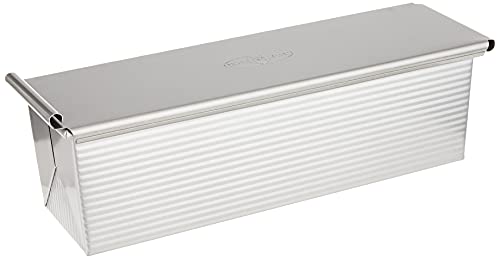
USA Pan’s Pullman loaf pan features Americoat nonstick coating for quick release and easy cleanup. Made in the USA from aluminized steel, the 13 by 4 inch pan includes a built-in cover, enabling a uniform loaf with tight crumb and a clean crust. The coating is PTFE-, PFOA-, and BPA-free, reflecting a focus on safe, durable bakeware. This pan is ideal for sandwich breads, pound cakes, and specialty loaves that benefit from a uniform, tight shape.
Northriver Casting 9×5 Cast Iron Loaf Pan With Lid

This two-piece cast iron set delivers even heat distribution suitable for artisan breads, sourdough, meatloaf, or casseroles. Fully cast iron construction supports heat retention across all cooktops, ovens, and outdoor stoves, while the lid allows for moisture retention and crust development similar to a Dutch oven. The pan’s 9 by 5 inch footprint makes it a versatile option for families who bake multiple loaf sizes or experiment with crust textures.
Lodge Cast Iron Loaf Pan

The Lodge loaf pan pairs classic cast iron with a naturally seasoned surface for easy release and durable performance. Seasoning is built into the pan with every use, improving nonstick properties over time. Lodge pre-seasons all cast iron cookware with natural vegetable oil, avoiding synthetic coatings. This pan is designed for long-term use and can be a dependable tool for beginners and seasoned bakers alike, offering steady heat and crust formation across various bread recipes.
GRMImosa 2-in-1 Cast Iron Bread Loaf Pan With Lid

This 2-in-1 design offers dual functionality: a standard loaf pan surface and an additional lid that serves as a second baking surface. Cast iron ensures even heat distribution and excellent heat retention for a crusty exterior and soft interior. Outer dimensions approximate a 9 by 5 inch footprint, making it suitable for a range of bread styles from plain white to whole-grain loaves. The lid option expands versatility to bake with moisture control and crust development in one pan.
Buying Guide
Material and Heat Transfer
Pan material determines heat distribution and maintenance needs. Cast iron offers exceptional heat retention and crust development but requires seasoning and careful cleaning. Aluminum and aluminized steel provide lighter weight and quicker heating, often with nonstick coatings for easy release. Consider what bake profiles you most frequently use—crusty artisan loaves benefit from cast iron, while quick breads and sandwich loaves may excel with nonstick steel.
Size and Capacity
Loaf pan sizes range from about 8 x 4 inches to 13 x 4 inches. A larger pan yields longer loaves with a different crust ratio, while smaller pans create thicker crumb. If you bake multigrain or enriched dough, choose a pan that accommodates higher hydration without overflowing. For pullman-style loaves, a pan with a cover helps achieve a uniform, rectangular shape and compact crumb.
Coatings and Release
Nonstick coatings simplify release and cleanup, especially for quick breads and cakes. PTFE-free options are preferable for those seeking minimal chemical exposure. Cast iron pans require seasoning and proper oiling to maintain nonstick performance. For home cooks who bake frequently, a pan with a durable, easy-release coating can cut prep time and reduce sticking.
Maintenance and Longevity
Cast iron demands regular seasoning, drying to prevent rust, and careful washing to preserve seasoning. Steel and aluminized steel pans with nonstick coatings are generally easier to care for but can lose coating over time with aggressive scrubbing. Consider your willingness to reseason cast iron and your dishwasher tolerance. Proper storage and routine cleaning extend pan life and baking consistency.
Versatility and Accessories
Lid-equipped pans, like Pullman or 2-in-1 designs, enable moisture control and crust formation, expanding bread styles you can bake. Lids also help prevent doming in taller loaves. If your repertoire includes meat loaf, pound cake, or casserole-ready dishes, look for pans with sturdy construction and a compatible cover or lid option.
Induction Compatibility and Oven Safety
Induction compatibility matters for pans with iron or steel bases. Cast iron works well on induction, but some coatings or handles may affect fit on certain stoves. Check oven temperature ratings; most loaf pans tolerate typical home-baking temperatures, but always confirm the maximum heat listed by the manufacturer to avoid warping or coating damage.
Cost and Value
Prices vary by material, size, and brand. Cast iron options tend to be more expensive upfront but offer lasting performance and crust advantages. Nonstick steel pans are typically more affordable and easier to maintain, making them ideal for casual bakers. When evaluating value, consider longevity, maintenance time, and whether the pan supports a range of bread and baking styles.