Finding the right 10-gallon water heater can enhance your comfort at home, in an RV, or cabin by providing reliable and efficient hot water. This guide features top-rated 10-gallon water heaters that blend durability, advanced technology, and energy efficiency, offering options for electric, gas, and hybrid power sources. Below is a concise table summarizing the key details of five standout products to help you compare essential features at a glance.
| Product | Brand | Fuel Type | Key Feature | Installation Type |
|---|---|---|---|---|
| Suburban Advantage RV Tank SW10DE | Suburban | Gas with Electric option | Porcelain-lined steel tank, replaceable anode rod | RV / Portable |
| GE Appliances 10 Gallon Electric Water Heater | GE | Electric | Compact design, adjustable thermostat | Point of Use |
| Dometic WH-10GEA Gas/Electric Water Heater | Dometic | Gas / Electric | Electronic ignition, lightweight aluminum tank | RV/Cabin use |
| CAMPLUX Electric 10 Gallon Point of Use Water Heater | CAMPLUX ENJOY OUTDOOR LIFE | Electric | Rapid heating technology, 24-hour insulation | Under-counter / compact spaces |
| Thermomate 10 Gallon Electric Water Heater ES1000 | thermomate | Electric | Incoloy-800 heating element, adjustable thermostat | Point of Use |
Suburban Advantage RV Tank Water Heater SW10DE

The Suburban Advantage RV Tank Water Heater SW10DE offers a robust 10-gallon capacity with a porcelain-lined steel tank that mirrors the durability of residential water heaters, ensuring long-lasting use. It incorporates an advanced corrosion protection system including a replaceable anode rod which doubles as a drain for easy maintenance. This heater features direct spark ignition (DSI) for reliable starts and an optional electric element for flexible power from campsite or generator sources. Its construction is optimized for RV and mobile installations requiring dependable hot water on the go.
GE Appliances 10 Gallon Plug and Play Electric Water Heater
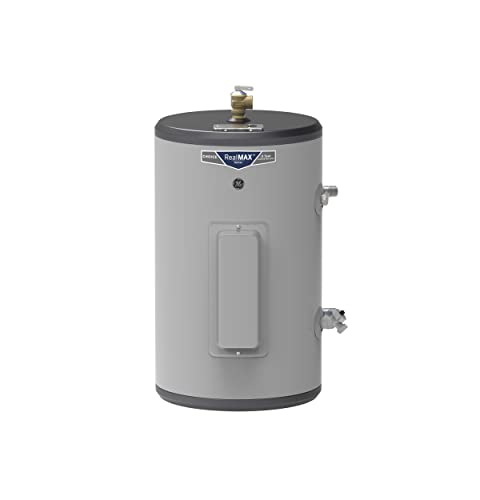
The GE 10 Gallon Versatile Plug and Play Electric Water Heater stands out for its easy installation with compatible 3/4-inch NPT water connections and 120V power supply. Its compact design saves space, making it ideal for kitchens, bathrooms, laundry areas, RVs, and cabins. Users benefit from an adjustable thermostat to customize water temperature and a reassuring 8-year limited tank and parts warranty. This water heater is perfect for those seeking a simple, reliable electric option for small-scale hot water needs.
Dometic WH-10GEA 10-Gallon Gas/Electric Water Heater

The Dometic WH-10GEA features a 10-gallon tank that’s 66% larger than standard models, delivering ample hot water for extended use. It includes a 10,000 BTU electronic-ignition burner for efficient gas heating along with an electric heating option. The lightweight aluminum tank design requires no anode rod, reducing maintenance hassle. Suitable for RVs and cabins, this model balances power options and generous capacity for flexible usage.
CAMPLUX 10 Gallon Electric Point of Use Water Heater

The CAMPLUX ME100B offers a rapid heating electric water heater with a 10-gallon capacity, designed for fast and efficient hot water delivery in around 60 minutes. It features 24-hour insulation to minimize heat loss and an adjustable thermostat ranging from 90°F to 150°F for energy-saving temperature control. Its compact dimensions allow easy installation in tight spaces such as under counters or cabinets, making it excellent for boosting hot water availability where long pipe runs are impractical.
Thermomate 10 Gallon Point of Use Electric Water Heater ES1000

The Thermomate ES1000 is a compact 10-gallon point of use electric water heater with a built-in thermostat adjustable between 90°F and 150°F. It comes factory-set to 125°F and is suitable for sinks, dishwashers, washing machines, or quick showers. The 1500W Incoloy-800 heating element offers superior corrosion resistance and energy efficiency compared to copper, promising a longer lifespan. Its low-profile 24.5-inch height supports versatile installation in kitchens, bathrooms, RVs, or small commercial spaces.
Buying Guide: What To Consider When Choosing A 10 Gallon Water Heater
Selecting the best 10-gallon water heater requires evaluating several factors to ensure optimal performance and suitability for your needs.
1. Energy Source and Efficiency
Choose between electric, gas, or dual-fuel models depending on your energy availability and cost preferences. Electric heaters offer simplicity and clean operation, while gas models often heat water faster and may reduce energy bills in certain settings. Look for energy-efficient designs and insulation features to minimize heat loss.
2. Installation Location and Space
Consider where you’ll install the heater—under sinks, in RVs, cabins, or garages—and select a compact model if space is limited. Point of use heaters save space and reduce wait time for hot water. Ensure the unit’s dimensions and mounting style fit your setup.
3. Capacity and Usage Needs
A 10-gallon tank is generally suitable for light to moderate hot water demands such as handwashing, dishwashing, or short showers. For larger families or simultaneous multiple fixtures, you may want to evaluate flow rates or consider tankless options with higher gallons per minute (GPM).
4. Durability and Maintenance
Look for features that extend lifespan, such as porcelain or enamel coatings, replaceable anode rods, and corrosion-resistant heating elements like Incoloy. These components reduce rust damage and simplify upkeep.
5. Temperature Control and Safety
Units with adjustable thermostats help optimize comfort and energy use. Safety features like LED heating indicators, thermostat locking, and protective coatings prevent overheating or burns.
6. Warranty and Brand Reputation
Reliable brands often back their products with comprehensive warranties (typically 6-8 years on tanks) and customer support. Check warranty terms and customer reviews to assess durability and satisfaction.
Considering these factors will help you select the best 10-gallon water heater tailored to your hot water needs, installation constraints, and energy preferences.